
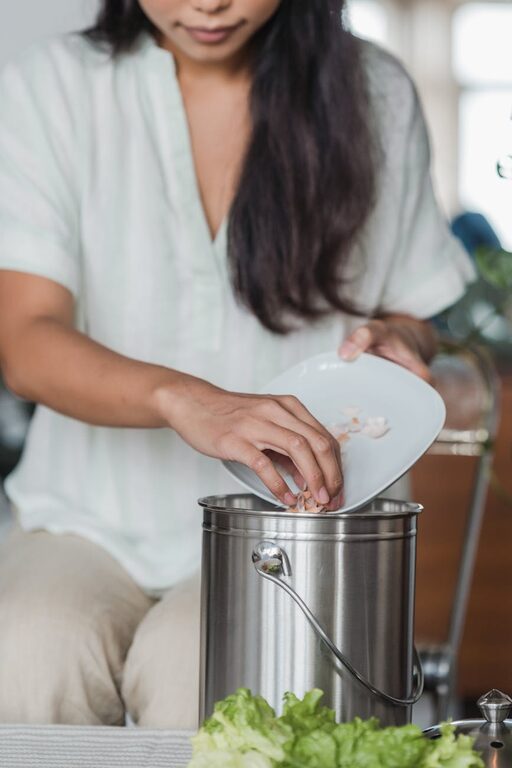
Composting at home is a wonderful way to reduce waste, enrich your garden soil, and contribute to a healthier environment. If you’re new to composting, it might seem a bit overwhelming at first. But with the right approach, you can start turning your kitchen scraps and yard waste into valuable nutrient-rich compost in no time. This guide provides simple, practical tips to help beginners get started with composting at home.
What Is Composting?
Composting is the natural process of recycling organic material—such as food scraps and leaves—into a rich soil amendment known as compost. This “black gold” improves soil structure, provides essential nutrients, and supports healthy plant growth.
Why Compost at Home?
– Reduces waste: Composting diverts organic waste from landfills, reducing methane emissions.
– Improves soil: Compost adds nutrients and improves soil texture.
– Saves money: Using compost reduces the need for chemical fertilizers.
– Supports sustainability: Composting is good for the planet and promotes healthy ecosystems.
Getting Started: Choosing Your Composting Method
There are several ways to compost at home. The best method depends on your available space, time, and preferences.
Outdoor Composting Bins or Piles
If you have a garden or yard, an outdoor compost bin or pile is a popular option. Bins help keep your compost contained and tidy.
Indoor Composting
For apartment dwellers or those without yard space, indoor composting options include:
– Compost tumblers: Sealed containers you can turn to speed up composting.
– Vermicomposting: Using worms to break down organic material inside a bin.
– Bokashi system: A fermentation method using special bran to compost food scraps indoors.
Essential Composting Tips for Beginners
1. Balance Greens and Browns
Compost needs a proper mix of:
– Greens: Nitrogen-rich materials like fruit and vegetable scraps, coffee grounds, fresh grass clippings.
– Browns: Carbon-rich materials like dry leaves, shredded paper, cardboard, straw.
Aim for about 2 to 3 parts brown to 1 part green materials. This balance helps microbes break down waste efficiently and reduces odors.
2. Chop Materials into Smaller Pieces
Cutting or shredding food scraps and yard waste into smaller pieces speeds up decomposition by increasing the surface area available to microbes.
3. Maintain Moisture Levels
Your compost pile should be as damp as a wrung-out sponge — not too wet, not too dry. If it’s too dry, add water; if too wet, add more browns.
4. Turn Your Compost Regularly
Mixing or turning your compost every week or two provides oxygen that microbes need to work efficiently. It also helps distribute moisture and heat evenly.
5. Avoid Adding These Items
Do not compost meat, dairy, oils, diseased plants, pet waste, or treated wood as these can attract pests, cause odors, or harm your compost.
6. Use a Compost Thermometer (Optional)
If you want to be more involved, a compost thermometer helps monitor internal temperature, ensuring the pile stays active and breaks down materials quickly.
Setting Up Your Home Compost Bin: Step-by-Step
- **Select a Location:** Choose a well-drained, convenient spot with partial sun.
- **Gather Materials:** Collect greens and browns from your kitchen and yard.
- **Layer Your Pile:** Start with a layer of coarse browns (twigs or straw) for aeration. Alternate layers of greens and browns.
- **Keep It Moist:** Add water if needed.
- **Turn the Pile:** Mix every 1-2 weeks.
- **Wait and Use:** Compost usually takes 2–6 months to mature, depending on conditions. When it’s dark, crumbly, and earthy-smelling, it’s ready.
Troubleshooting Common Composting Problems
Smelly Compost
Usually caused by too many greens or excess moisture. Add more browns and turn the pile to increase airflow.
Compost Is Too Dry
Add water or fresh greens to add moisture.
Fruit Flies or Pests
Avoid putting out food scraps uncovered; bury them under browns. Use bins with lids or screens.
Slow Decomposition
Make sure your pile is warm enough, chopped finely, and contains a good balance of greens and browns.
Using Your Finished Compost
Finished compost is a fantastic addition to your garden beds, potted plants, lawn, or vegetable garden. Mix it into soil to improve fertility and structure, helping plants thrive naturally.
Final Thoughts
Starting a compost at home is easier than it seems and extremely rewarding. By following these beginner tips, you’ll reduce waste, create healthy soil for your garden, and foster a greener lifestyle. Remember, composting is a learning process—don’t worry about perfection, just keep experimenting and adjusting!
Happy composting!