
Reducing food waste at home is a smart way to save money, lower your environmental footprint, and make the most of your groceries. Many families throw away a significant amount of food each week, often without realizing it. Fortunately, by adopting a few easy habits and strategies, you can minimize waste and enjoy fresher, well-managed meals.
In this post, we’ll explore practical steps to help you reduce food waste in your kitchen, from planning shopping trips to storing leftovers effectively.
Plan Your Meals and Shopping List
One of the most effective ways to prevent food waste is thoughtful meal planning.
– Create a Weekly Meal Plan: Decide what you’ll cook for the week ahead. This helps avoid buying unnecessary items and makes sure you use what you have.
– Make a Precise Shopping List: Write down only the ingredients you need and stick to the list to resist impulse purchases.
– Check Your Pantry and Fridge First: Before shopping, see what you already have to avoid duplicates.
Planning saves both time and reduces excess food that often ends up spoiled.
Buy Only What You Need
When shopping, try to buy quantities suited to your household size.
– Opt for Smaller Portions: Buy smaller packages or loose produce instead of bulk amounts if you can’t use them quickly.
– Choose Fresh, Local Produce: These tend to have a longer shelf life and better quality.
– Avoid Overbuying Perishables: Foods like fresh herbs, salad greens, and berries spoil quickly, so purchase them in smaller amounts.
By being selective, you reduce the chance of food going bad before it is consumed.
Store Food Properly to Extend Freshness
How you store food affects how long it stays fresh. Here are some tips:
– Use Airtight Containers: Keep leftovers and opened packages sealed to avoid moisture and air.
– Keep Fruits and Vegetables Separate: Some fruits release gases that speed up ripening and spoilage of vegetables.
– Use the Fridge Drawers Correctly: Store leafy greens and delicate produce in high-humidity drawers; root vegetables in low-humidity ones.
– Freeze Excess Food: Many foods can be frozen to extend shelf life, including bread, meat, and cooked meals.
Proper storage helps you avoid premature spoilage and keeps ingredients usable for longer.
Understand Food Labels
Expiration dates on food packages can be confusing but aren’t always indicators of safety.
– “Best By” vs. “Use By”: “Best By” suggests quality, while “Use By” is about safety. Often, food is safe past the “Best By” date.
– Use Your Senses: Check smell, appearance, and texture. If food looks and smells fine, it’s often safe to eat even if past the printed date.
Better understanding reduces unnecessary disposal of perfectly good food.
Get Creative with Leftovers
Leftover food doesn’t have to go to waste. Try these ideas:
– Repurpose Leftovers: Turn roasted veggies into soups or salads, or use leftover rice in stir-fries.
– Make Stock: Use vegetable scraps, bones, and meat trimmings to make homemade broth.
– Share or Donate: Consider giving excess food to neighbors or local food banks when possible.
Creativity in the kitchen helps stretch meals further and reduces waste.
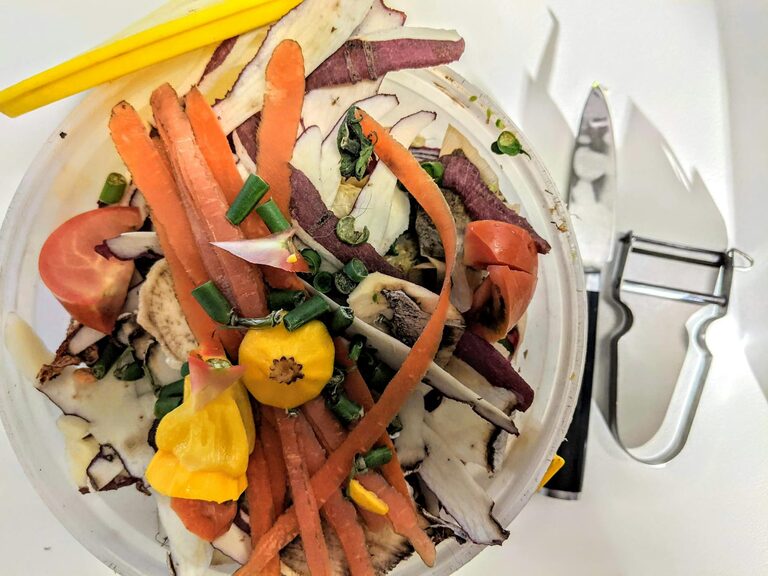
Compost Food Scraps
Even with the best efforts, some food scraps may be unavoidable.
– Start a Compost Bin: Composting turns food scraps into nutrient-rich soil for gardens.
– Know What to Compost: Most vegetable scraps, coffee grounds, and eggshells are compostable, while meat and dairy should generally be avoided.
– Use Community Composting: If home composting isn’t an option, look for nearby compost drop-off points.
Composting returns nutrients to the earth and keeps waste out of landfills.
Educate Household Members
Get everyone involved to reduce waste effectively.
– Teach Kids About Food Waste: Introduce simple lessons about portion sizes and eating leftovers.
– Encourage Mindful Eating: Serve smaller portions to avoid uneaten food on plates.
– Set Up Waste Reduction Challenges: Turn it into a fun activity to see who wastes less.
When the whole household is mindful, reducing waste becomes easier and more consistent.
Monitor and Adjust Your Habits
Keep track of what gets wasted and adapt accordingly.
– Keep a Food Waste Diary: Note what gets thrown away and why.
– Adjust Shopping and Meal Plans: Use the diary to improve your purchasing and cooking habits.
– Celebrate Progress: Recognize improvements to stay motivated.
Regular reflection helps make your waste reduction efforts more effective over time.
—
By following these practical tips, you can significantly reduce food waste in your home. Not only will you save money, but you’ll also contribute to a healthier planet by conserving resources and reducing landfill waste. Small changes add up, so start with one or two strategies and build from there!