
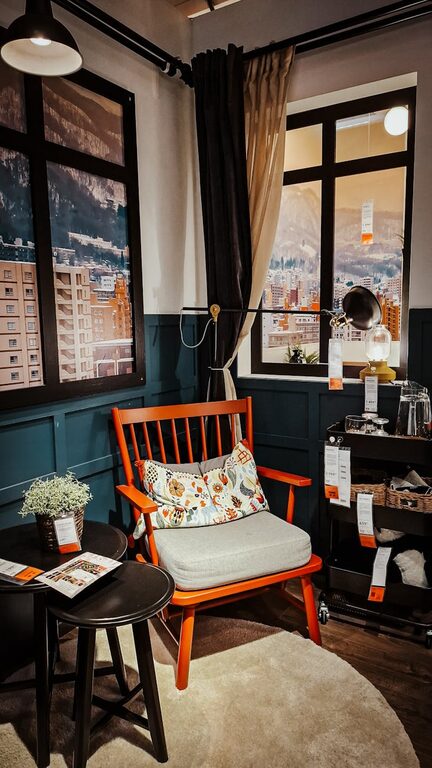
Creating a comfortable home environment goes beyond furniture and décor – lighting plays a vital role in how a space feels. The right lighting can set the mood, improve functionality, and make your home more inviting. However, choosing comfortable home lighting is not always straightforward, with so many options available. This guide offers practical tips to help you select lighting that complements your space and promotes comfort throughout your home.
Understand the Importance of Lighting Comfort
Lighting comfort involves more than just brightness. It’s about how light interacts with your space and how it affects your mood and vision. Harsh or inappropriate lighting can cause eye strain, headaches, or a cold atmosphere, while well-thought-out lighting feels warm and inviting.
Comfortable lighting balances brightness, color temperature, and placement to match your activities and personal preferences. Let’s explore how you can achieve this in your own home.
Choose the Right Color Temperature
Color temperature, measured in Kelvins (K), describes the warmth or coolness of light:
– Warm Light (2700K–3000K): Produces a cozy, amber glow similar to traditional incandescent bulbs. Ideal for living rooms, bedrooms, and dining areas where relaxation is key.
– Neutral Light (3500K–4100K): Offers a balanced white light that works well in kitchens, bathrooms, and offices where clarity is important without feeling too clinical.
– Cool Light (5000K–6500K): Mimics daylight and provides a crisp, bright environment. Perfect for task-oriented spaces like garages or workshops but can feel too harsh for living areas.
Tip: For most areas, opt for warm or neutral light to promote comfort while maintaining sufficient visibility.
Emphasize Layered Lighting
Layered lighting means using a combination of different types of lighting to create depth and flexibility:
– Ambient Lighting: The general, overall light in a room. Examples include ceiling fixtures and recessed lights.
– Task Lighting: Focused lighting for activities like reading or cooking. Desk lamps, under-cabinet kitchen lights, and vanity lights fall into this category.
– Accent Lighting: Highlights specific features such as artwork, architectural details, or plants. Use spotlights or wall sconces for this effect.
Using layers allows you to adjust lighting based on your needs and mood, which greatly enhances comfort.
Consider Lighting Placement
Where you place your lights matters just as much as the type of light you choose. Poor placement can create glare or shadows, making a space uncomfortable.
– Avoid placing bright lights directly in your line of sight to reduce glare.
– Use wall sconces or indirect lighting to wash walls with soft light and reduce harsh contrasts.
– Position task lights close to where activities occur but out of the way to prevent obstruction.
Proper placement supports comfort and functionality.
Choose Dimmable Options
Dimmers let you control the intensity of your lighting throughout the day. You can brighten spaces for work or dim them for relaxation and winding down in the evening.
Look for dimmable bulbs and compatible switches when purchasing lighting. Many LED lights now offer smooth dimming capabilities while saving energy.
Use Quality Bulbs to Reduce Flicker
Poor-quality bulbs or mismatched fixtures can cause flickering, which leads to discomfort and eye strain.
– Select LED or CFL bulbs from reputable brands.
– Match the bulb wattage and type with your fixture’s recommendations.
– Replace old bulbs that flicker or buzz.
Good-quality lighting is a key ingredient in creating a comfortable atmosphere.
Incorporate Natural Light
Natural light is the most comfortable source of illumination. To maximize it:
– Use sheer curtains to diffuse sunlight gently.
– Position mirrors to reflect light deeper into rooms.
– Arrange furniture to take advantage of sunny spots.
Balancing natural and artificial lighting helps maintain a healthy and welcoming environment.
Match Lighting Style to Your Home Décor
Lighting fixtures contribute to the overall look and feel of your space. Choose designs that complement your decor while providing sufficient light.
– Modern homes may favor minimalist fixtures with clean lines.
– Traditional spaces often benefit from warm-toned lamps with decorative shades.
– Eclectic interiors can experiment with unique fixtures and colorful bulbs.
When lighting feels integrated with the rest of your home, it enhances comfort visually and emotionally.
Safety and Energy Efficiency
Comfortable lighting also means safe and environmentally conscious lighting:
– Ensure fixtures are properly installed to avoid hazards.
– Use LED bulbs for lower energy consumption and less heat.
– Check for certifications like ENERGY STAR when buying bulbs.
Safe, efficient lighting supports long-term comfort in your home.
Final Thoughts
Choosing comfortable home lighting is a blend of science and personal preference. By considering color temperature, layering light, using dimmers, prioritizing quality bulbs, incorporating natural light, and selecting fixtures that suit your style, you can transform your home into a warm and inviting haven.
Remember, lighting preferences can vary, so don’t hesitate to experiment with different setups to discover what feels best for you and your family. Happy lighting!